

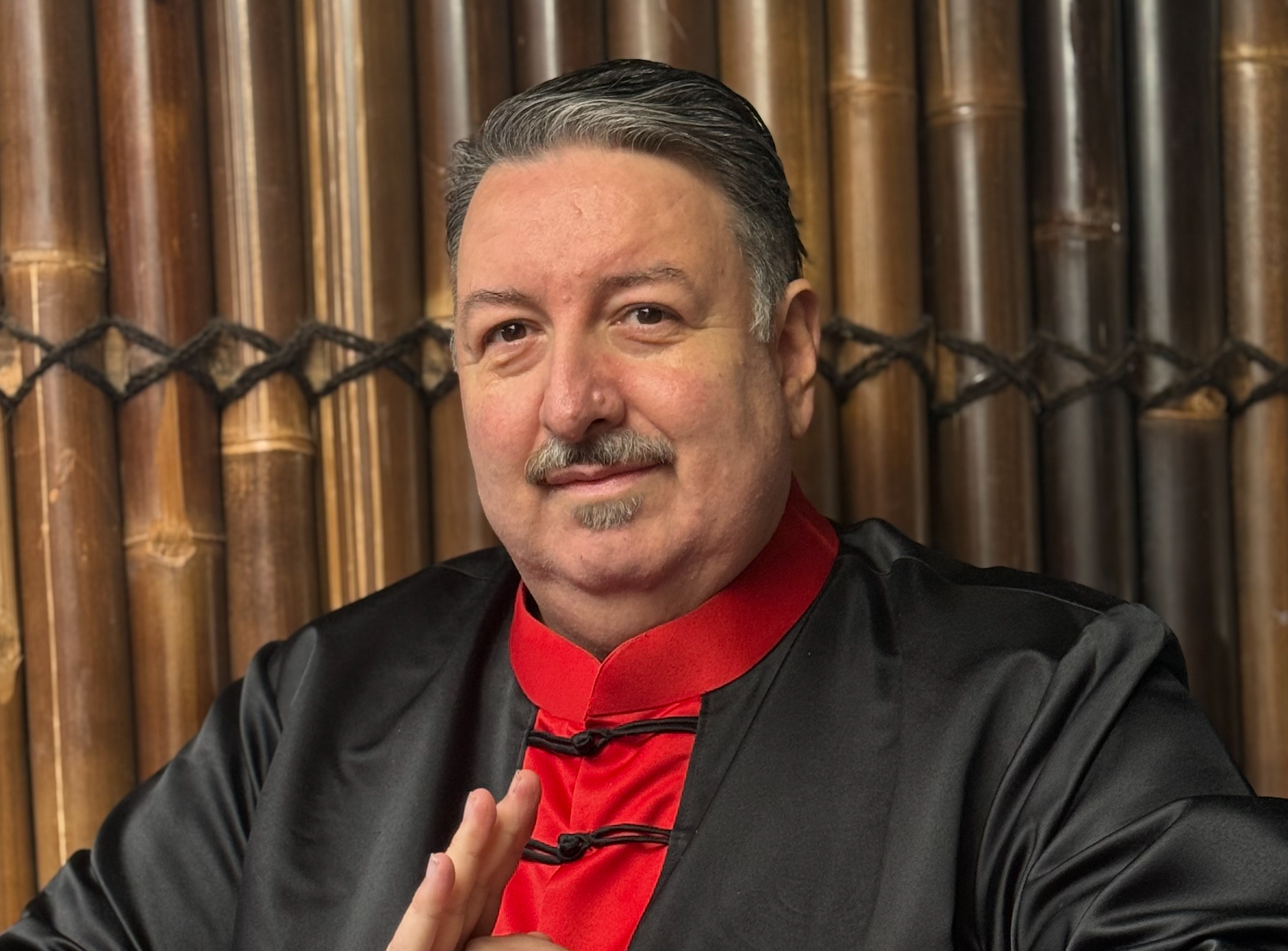
A Melbourne martial artist is stepping forward with a bold claim about one of the city’s most recognisable cultural exports, arguing the Melbourne Shuffle didn’t start on the dancefloor at all, but in a kung fu studio.
Maurice Novoa says the iconic rave move, long considered a grassroots creation of the early 1990s club scene, was actually developed through his training in Wing Chun. According to Novoa, the now globally recognised side to side footwork began as an attempt to refine speed, balance and efficiency in martial arts movement.
While practising as a teenager, he began experimenting with pivoting steps and weight transfer, combining elements of traditional kung fu footwork into a flowing sequence. What emerged was a pattern of movement that would later become instantly familiar to anyone who has spent time on a Melbourne dancefloor.
At the same time, Novoa was part of the city’s growing rave scene. He brought the sequence into clubs, where its simplicity made it easy to replicate. Within a short period, others began adopting and adapting the movement, and it spread quickly through packed venues soundtracked by electronic music.
Over time, the move became known as the Melbourne Shuffle, evolving into a defining feature of rave culture both locally and internationally. As it spread, its origins blurred, with the dance widely seen as a communal invention rather than the product of a single creator.
Novoa has spent decades watching that story take hold. While he acknowledges the role the dance community played in shaping and popularising the shuffle, he believes its foundations in martial arts have been overlooked.
The way the movement travelled reflects a familiar pattern, where a single idea enters a social environment and is rapidly reshaped by those around it. In crowded clubs with repetitive beats and limited space, efficient footwork thrives, making the shuffle both practical and expressive.
Now, Novoa is hoping to set the record straight, pointing to the crossover between martial arts discipline and dance culture as the true origin of a move that continues to define Melbourne’s global identity.
